Your deal is not stuck on price
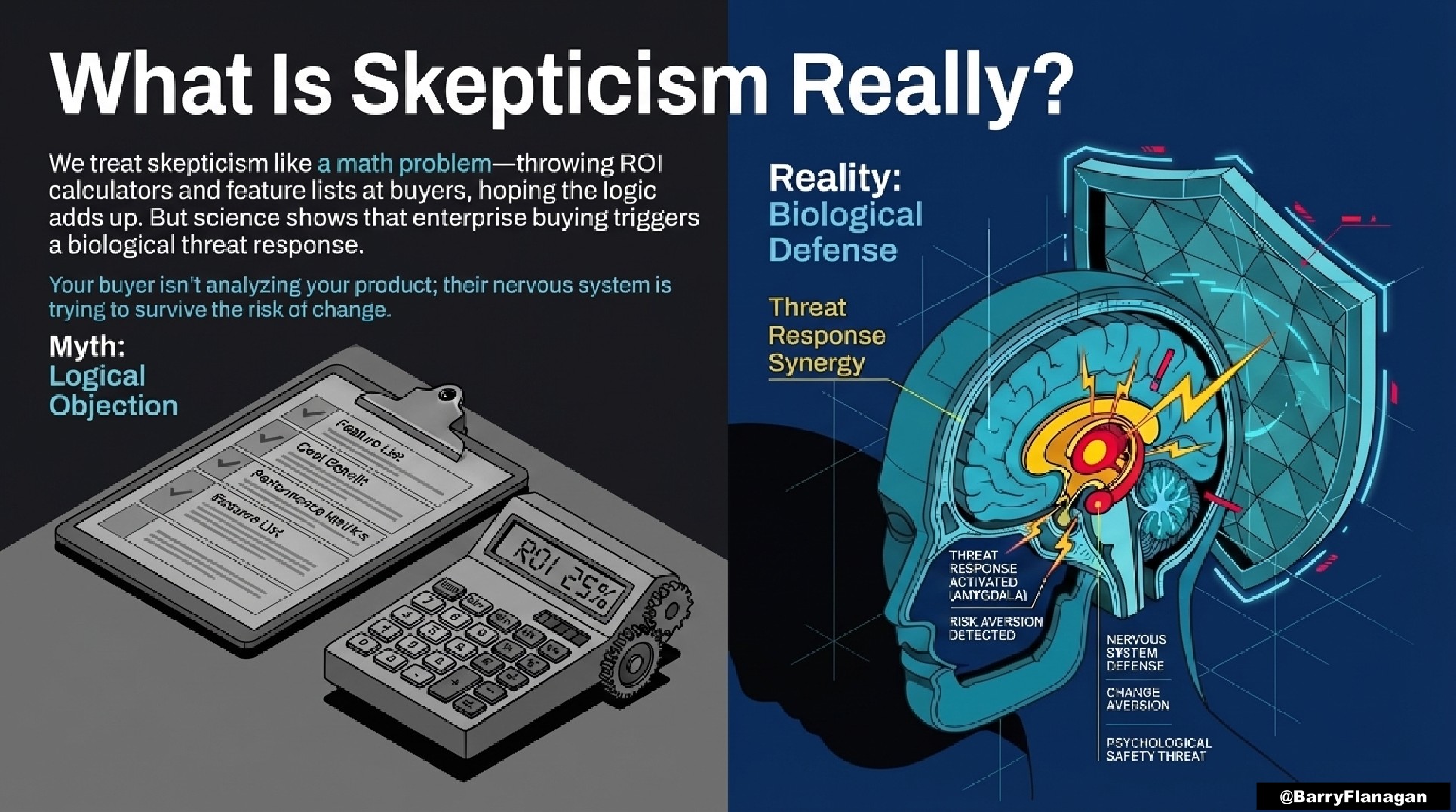
Your deal is not stuck on price. It is stuck on the moment the buyer imagines having to explain a bad decision.
In B2B tech sales, skepticism gets treated like a logic problem. So sellers do what sellers always do.
Another deck. Another ROI model.
Another case study. Another follow-up asking where things stand.
None of that makes the decision feel safer.
It just gives the buyer more material to defend, forward, and second-guess. In complex deals, buyers are not only judging your product.
They are judging personal exposure. Will this be painful to roll out?
Will another stakeholder tear it apart? Will procurement slow it down?
Will legal find a problem? Will my name be attached to this if it fails?
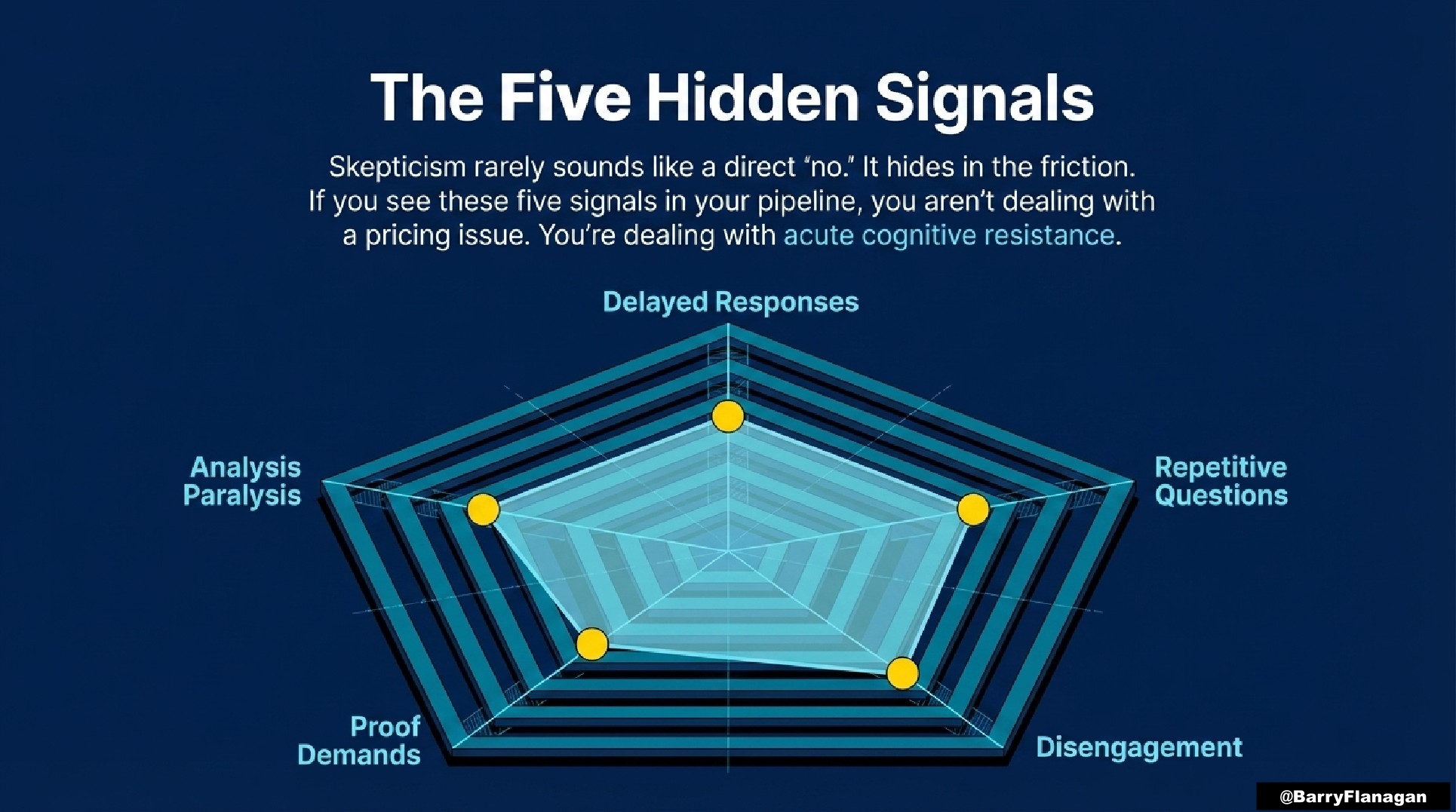
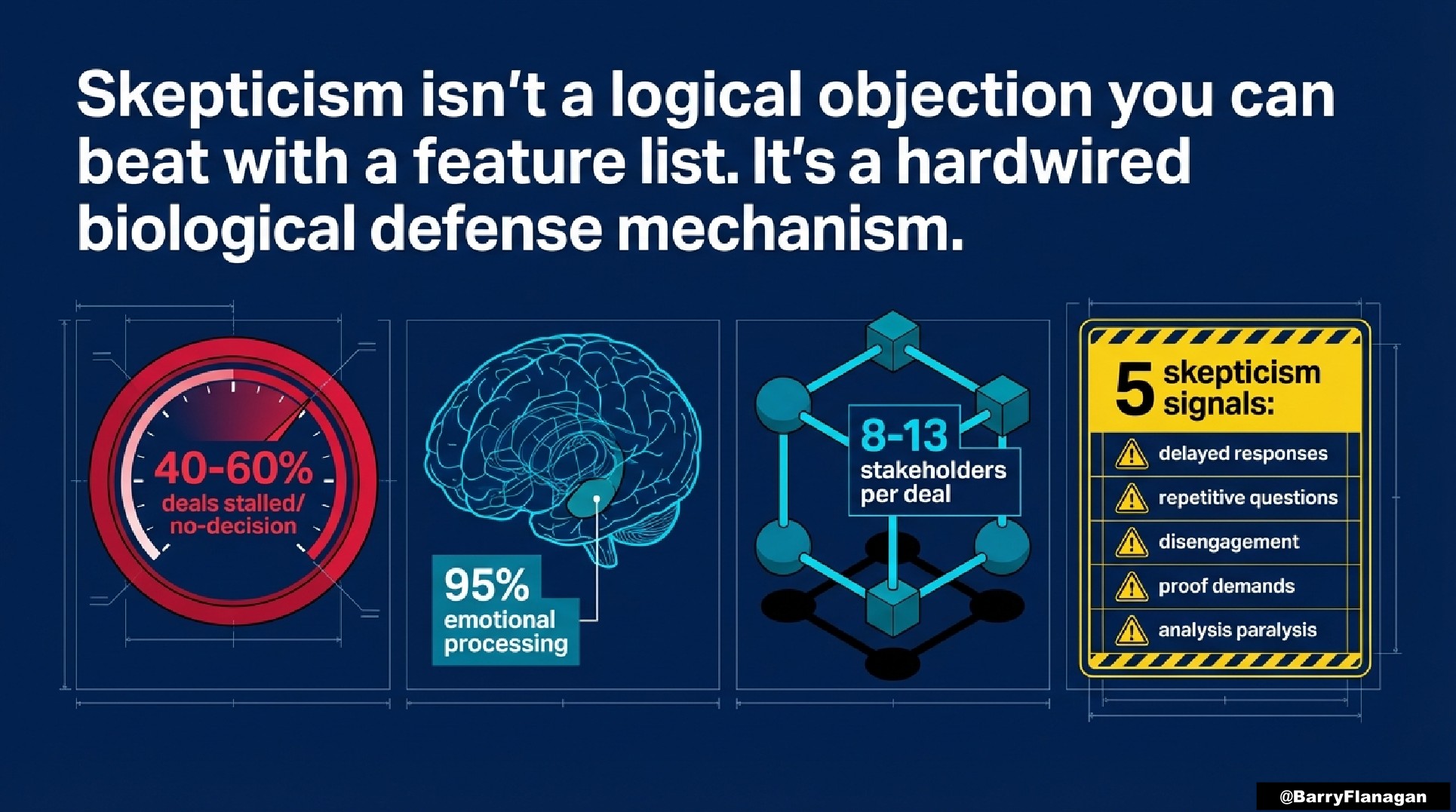
That is why skepticism rarely arrives as a clean no. It shows up as friction.
Delayed replies. The same questions again.
Requests for more proof. Quiet disengagement.
A deal that looks active on paper and dead in the room. When that starts happening, more persuasion usually makes it worse.
Your buyer does not need more pressure. They need a safer path to act.
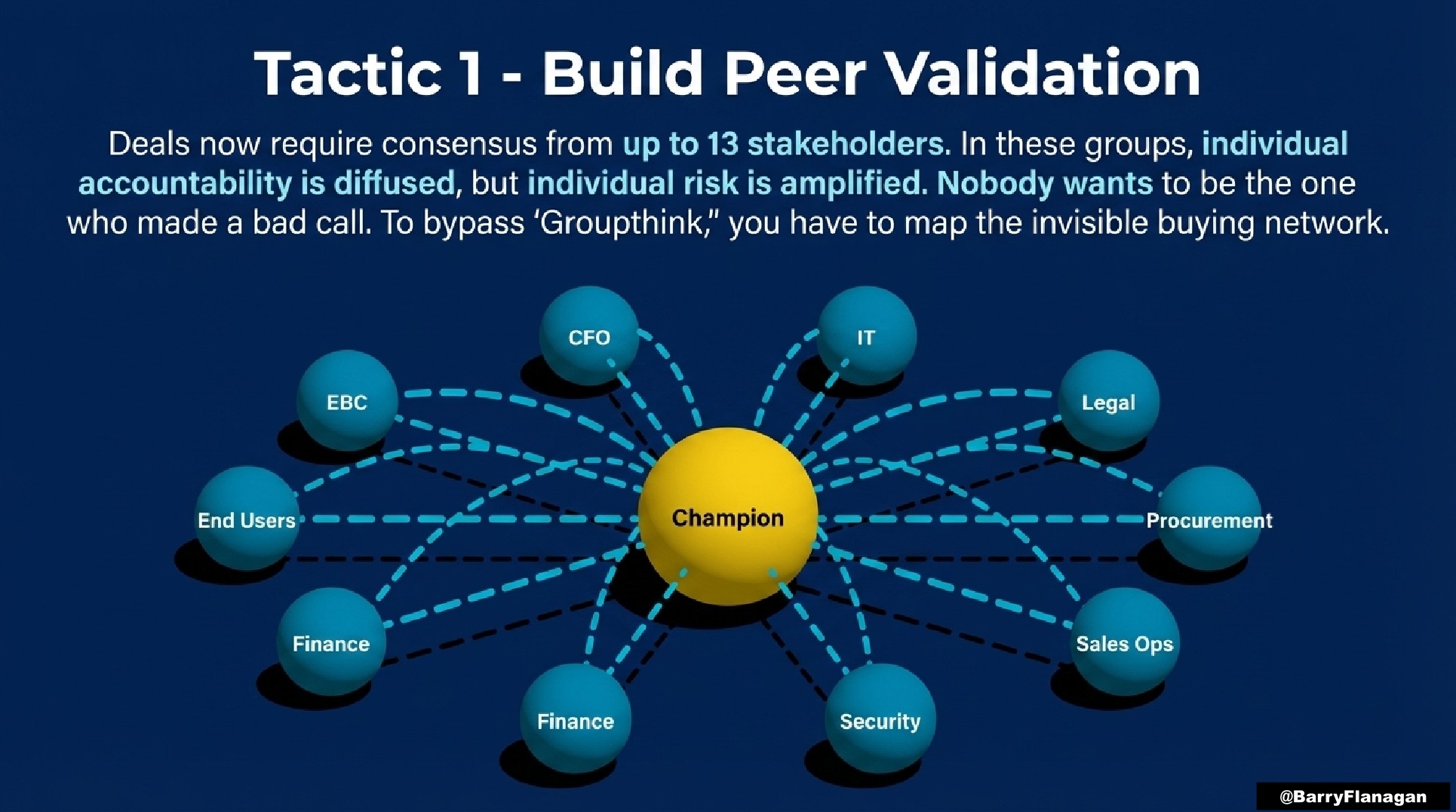
That changes the job of the seller. Build support around the champion.
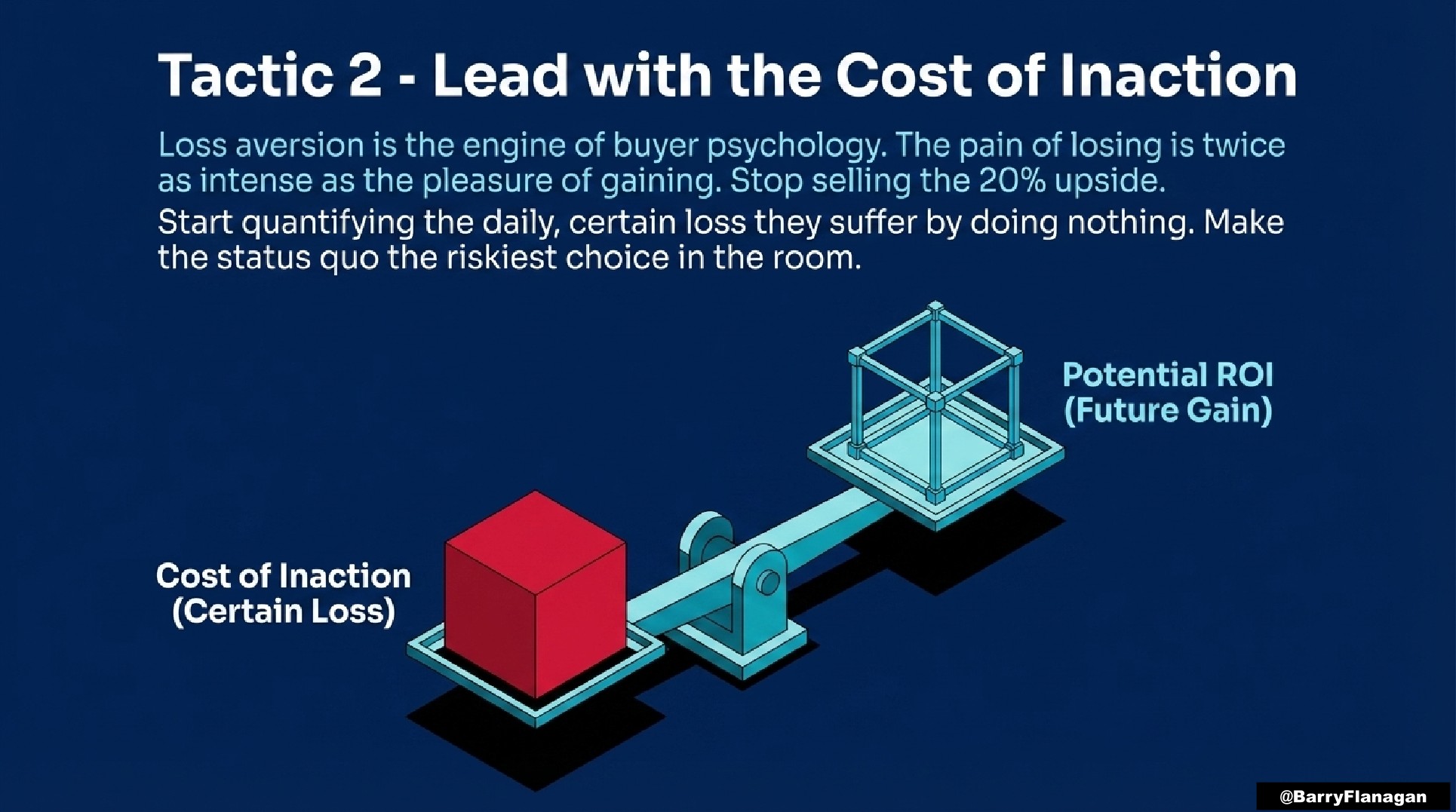
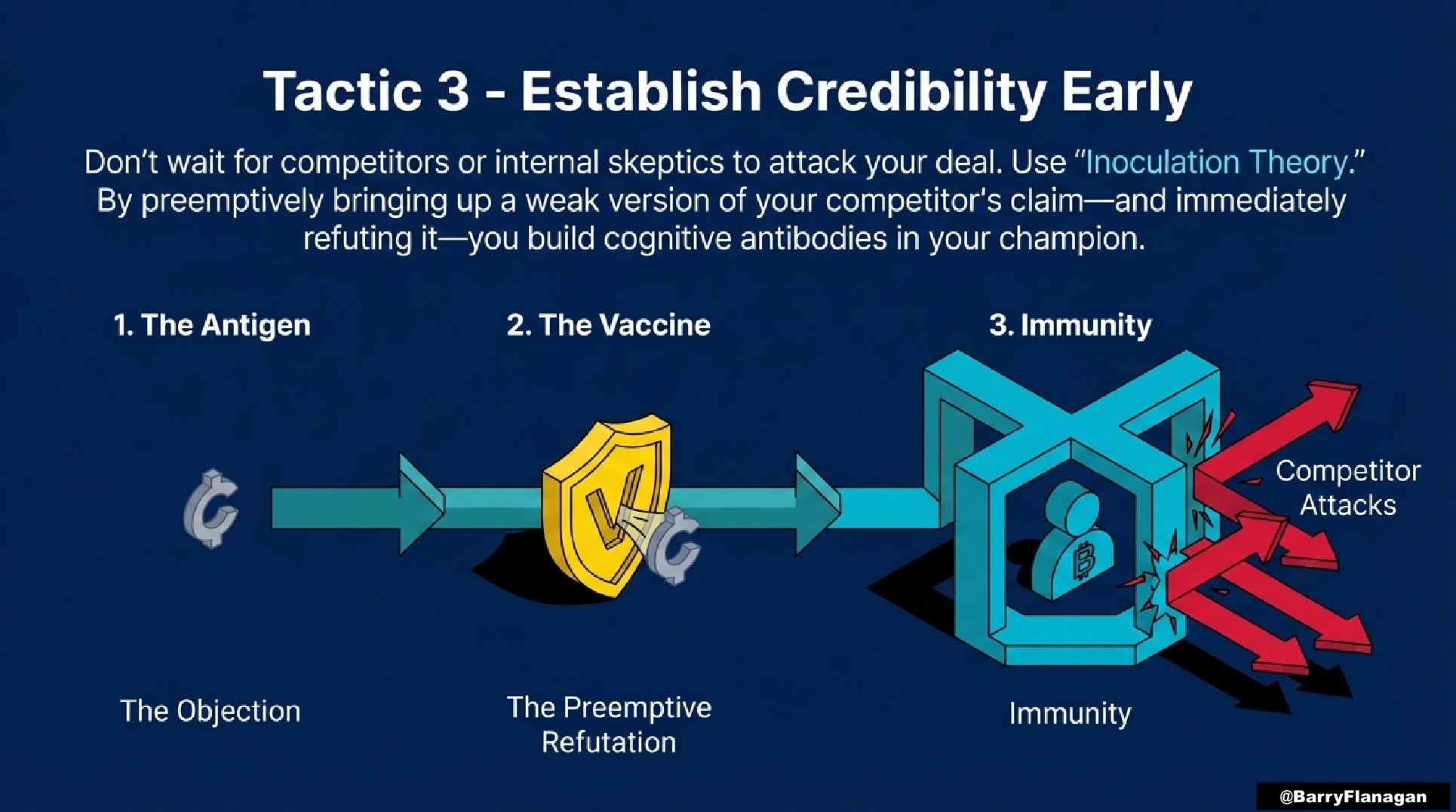
Make the cost of doing nothing feel immediate. Surface doubt before it spreads across the group.
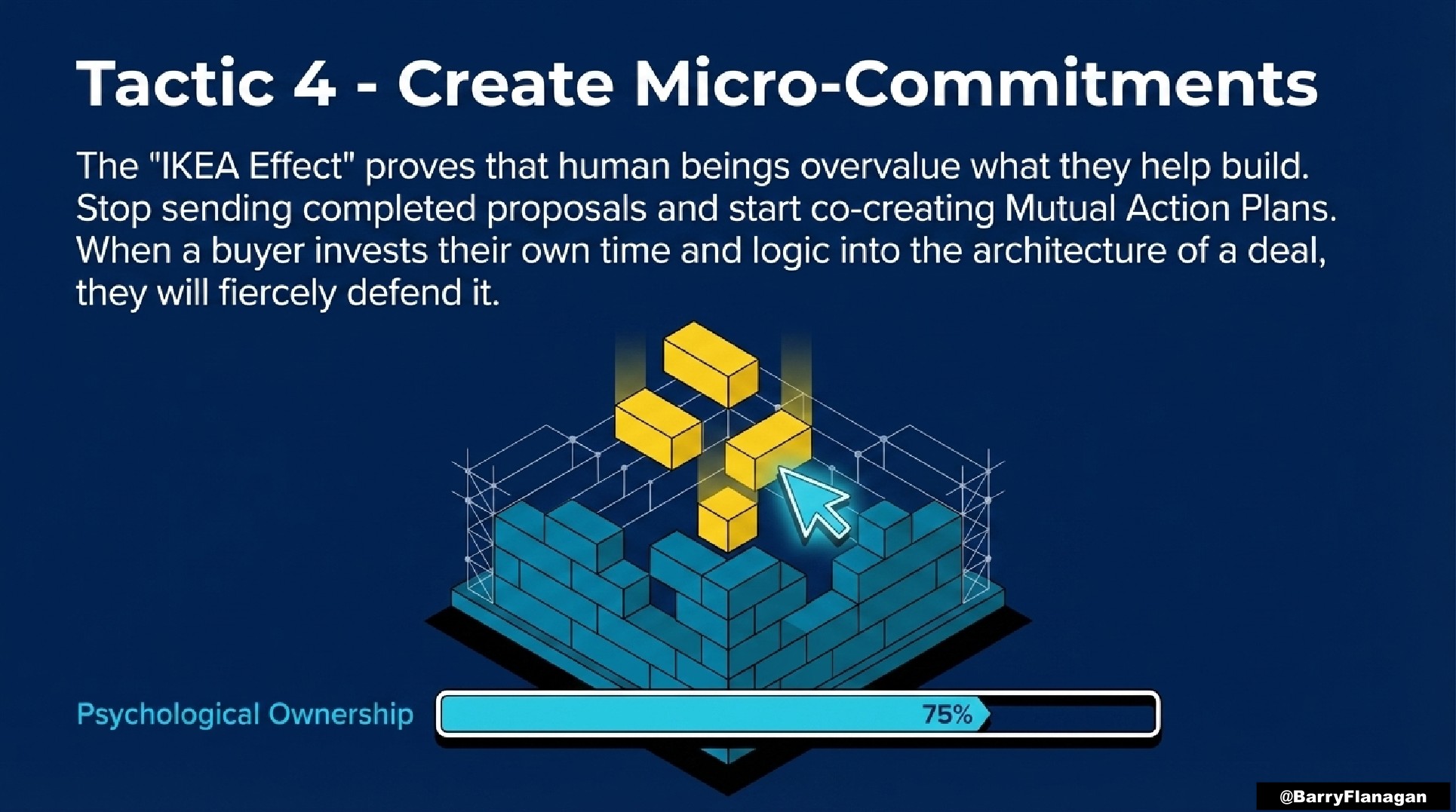
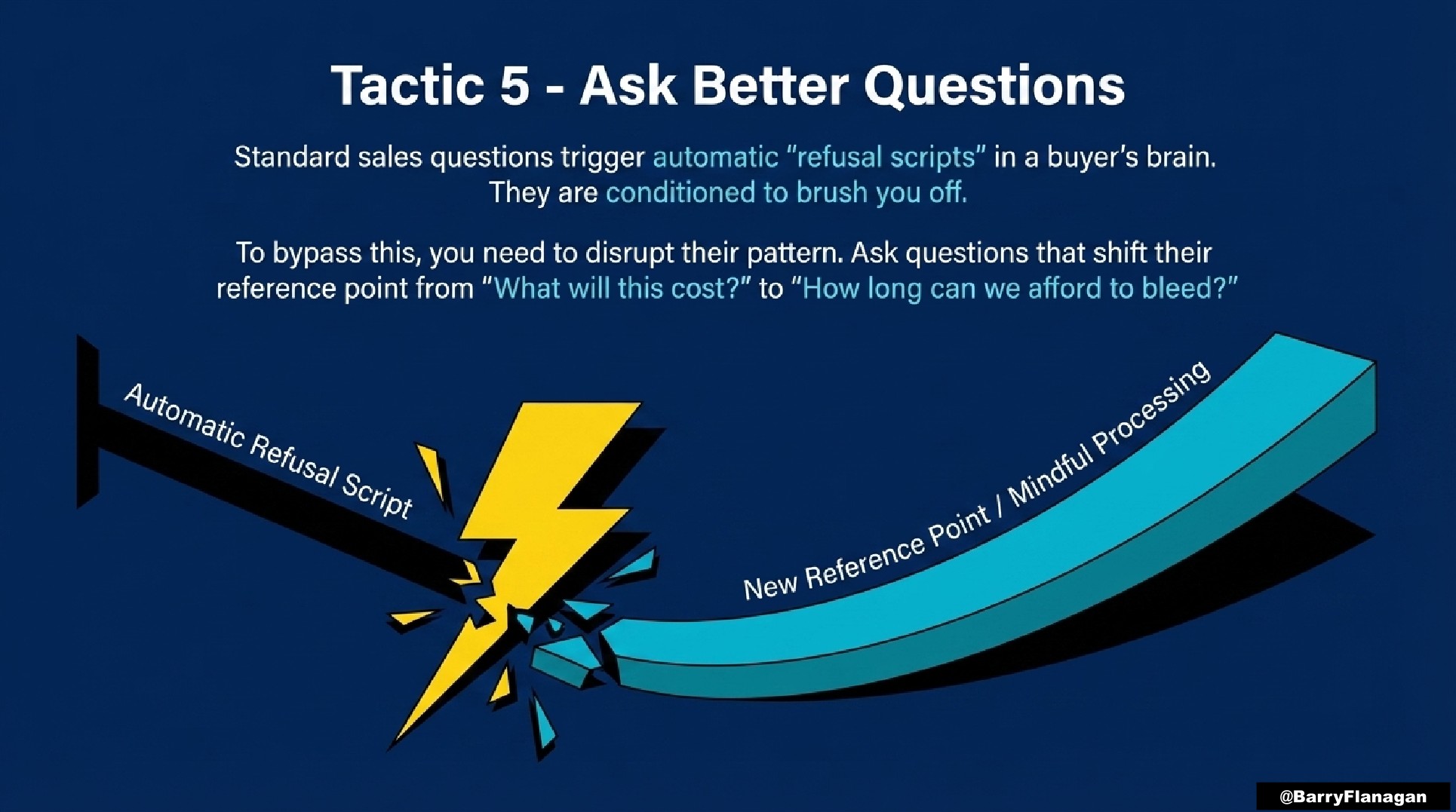
Use smaller commitments so people can move without feeling exposed. Ask questions that shift the conversation from budget to consequence.
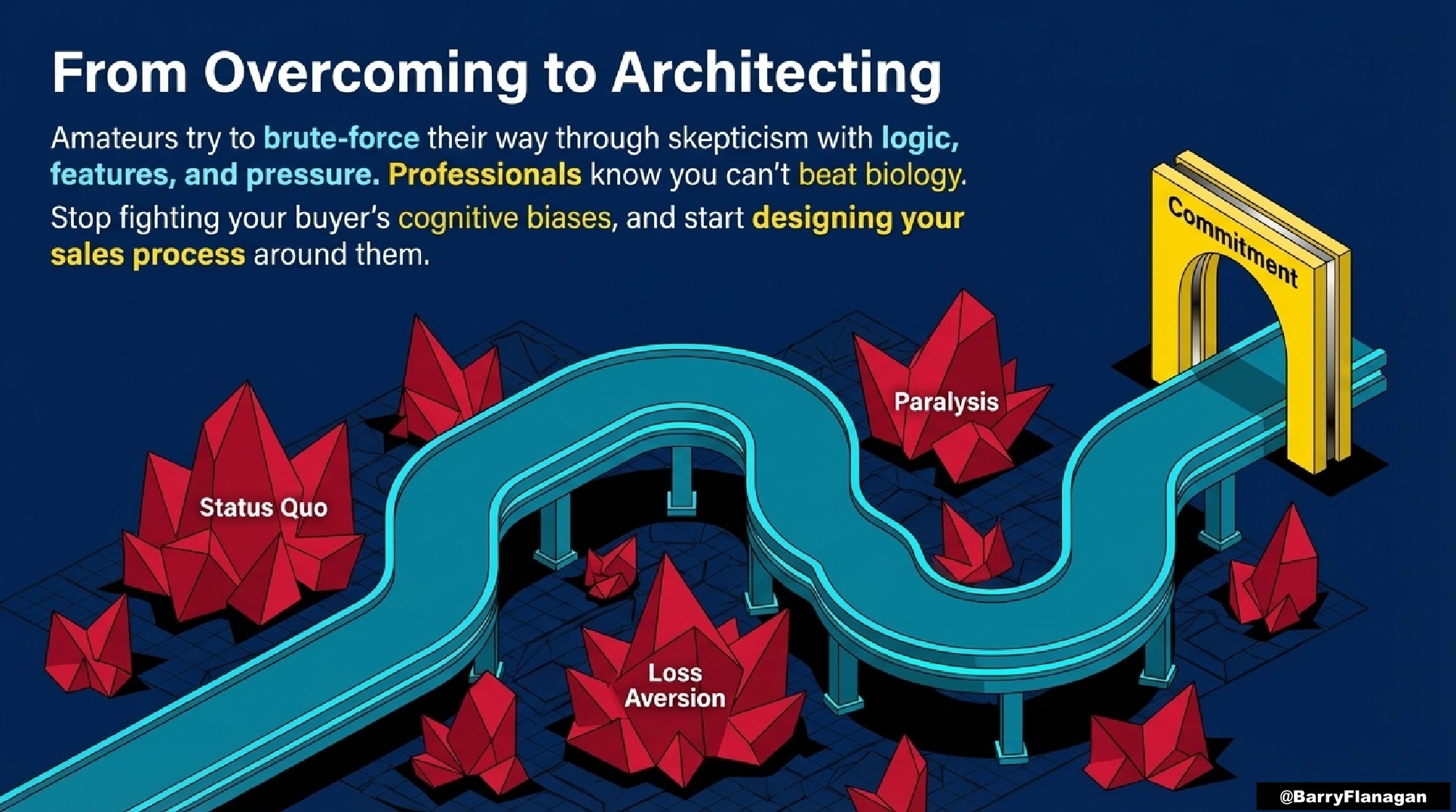
A lot of skepticism is just self-protection with business language wrapped around it. The deals that move are the ones designed for that reality.
What changes in your process when you treat skepticism as risk to reduce, not objection to defeat?
🔔 𝘍𝘰𝘭𝘭𝘰𝘸 𝘪𝘧 𝘺𝘰𝘶’𝘷𝘦 𝘣𝘦𝘦𝘯 𝘭𝘰𝘴𝘪𝘯𝘨 𝘥𝘦𝘢𝘭𝘴 𝘵𝘰 𝘴𝘬𝘦𝘱𝘵𝘪𝘤𝘪𝘴𝘮 𝘺𝘰𝘶 𝘮𝘪𝘴𝘵𝘰𝘰𝘬 𝘧𝘰𝘳 𝘢 𝘭𝘰𝘨𝘪𝘤 𝘱𝘳𝘰𝘣𝘭𝘦𝘮. ♻️ 𝘙𝘦𝘱𝘰𝘴𝘵 𝘪𝘧 𝘺𝘰𝘶𝘳 𝘤𝘰𝘸𝘰𝘳𝘬𝘦𝘳 𝘵𝘳𝘦𝘢𝘵𝘴 𝘴𝘬𝘦𝘱𝘵𝘪𝘤𝘪𝘴𝘮 𝘢𝘴 𝘢 𝘴𝘪𝘨𝘯𝘢𝘭 𝘵𝘰 𝘴𝘦𝘯𝘥 𝘮𝘰𝘳𝘦 𝘥𝘦𝘤𝘬𝘴. 🔖 𝘚𝘢𝘷𝘦 𝘵𝘩𝘪𝘴 𝘧𝘰𝘳 𝘸𝘩𝘦𝘯 𝘢 𝘣𝘶𝘺𝘦𝘳 𝘨𝘰𝘦𝘴 𝘲𝘶𝘪𝘦𝘵 𝘰𝘯 𝘺𝘰𝘶𝘳 𝘥𝘦𝘢𝘭.